
When you invest in new windows or doors for your home, you’re not just buying a product—you’re buying a long-term solution for energy efficiency, security, and aesthetics. But what truly protects that investment is a solid warranty. Navigating the world of window and door warranties can be confusing, with terms like “limited,” “lifetime,” and “transferable” often causing more questions than answers.
At Reid It Right Construction, we believe in being a trusted partner for our Lubbock clients. That means we don’t just provide high-quality windows and doors; we help you understand exactly what you’re getting, including the fine print of your warranty. Here’s a breakdown of what you need to know.
The Two Types of Warranties You’ll Encounter
When you purchase new windows or doors, you are typically covered by two separate warranties:
- Manufacturer’s Warranty: This is the warranty provided by the company that made the product (e.g., Marvin or Pella). It covers defects in the materials or workmanship of the window or door itself. This includes issues like glass seal failure (leading to fogging between the panes), a faulty lock, or a frame that warps or cracks. These warranties often come in different tiers, such as a limited or lifetime warranty, with coverage periods that can vary for different components (e.g., glass, hardware, and the frame).
- Installation Warranty: This is a separate warranty provided by the company that installs your windows and doors. It guarantees that the installation was performed correctly and will cover any issues that arise from improper workmanship.
“Lifetime” Doesn’t Always Mean Forever
The term “lifetime warranty” can be misleading. For most window and door manufacturers, “lifetime” typically refers to the life of the product itself, or for as long as the original purchaser owns and lives in the home. It’s crucial to read the details, as coverage may be prorated over time, meaning you’ll have to pay a percentage of the cost for replacement parts as the product ages.
If you plan to sell your home, look for a transferable warranty. This feature allows a portion of the original warranty to be passed on to the new owner, which can be a great selling point and add value to your property.
What Voids a Warranty? The Critical Exclusions
Just as important as knowing what’s covered is understanding what isn’t. Most warranties will be voided if the damage is caused by:
- Improper Installation: This is a major reason why it’s so important to hire a certified and reputable installer. If a window fails due to a mistake in the installation process, the manufacturer is likely to deny the claim.
- Neglect or Abuse: Failing to perform routine maintenance or misusing the product can void your warranty.
- Improper Repairs or Modifications: Making unauthorized repairs or altering the product (such as painting a vinyl frame) can also nullify your coverage.
- Acts of Nature: Damage from natural disasters like hurricanes, hail, or tornados is typically not covered by a manufacturer’s warranty and falls under your homeowner’s insurance.
Why Professional Installation is Your Best Protection
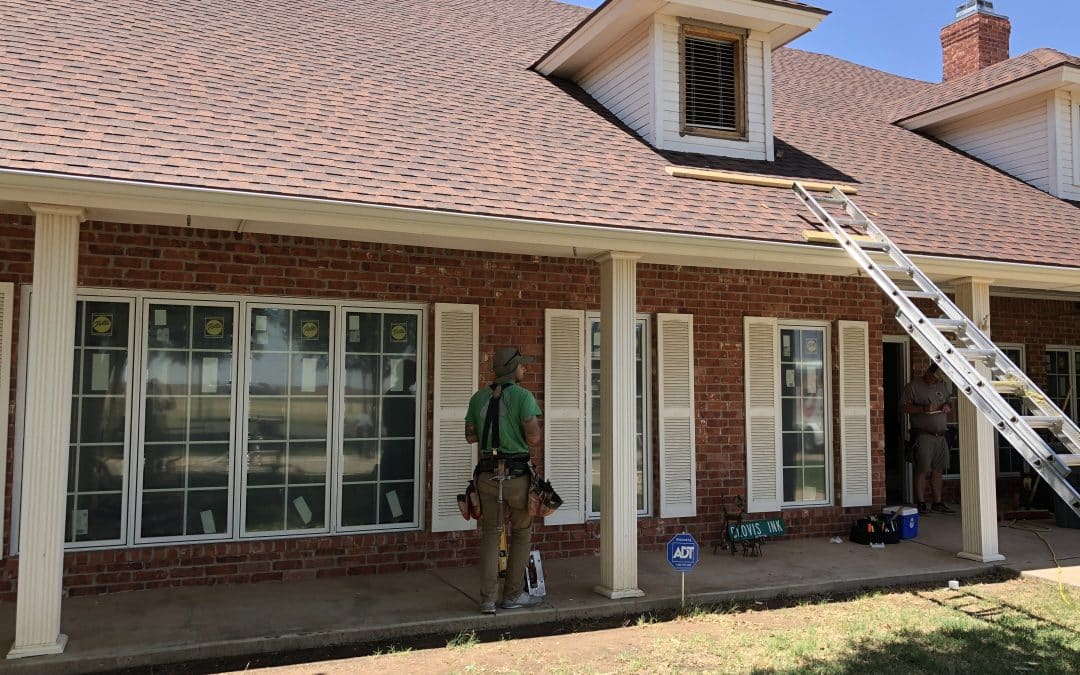
A warranty is only as good as the installation. At Reid It Right Construction, we are proud to be certified installers for industry-leading brands. This means we don’t just install your windows and doors; we ensure the job is done right, the first time. Our team’s attention to detail, from preparation to final cleanup, is a crucial part of protecting your investment and ensuring your warranty remains valid.
Before you make a decision, we encourage you to ask about warranties and review the details with a professional. At Reid It Right Construction, we provide free, no-obligation consultations and written estimates so you can make a decision with complete confidence.