
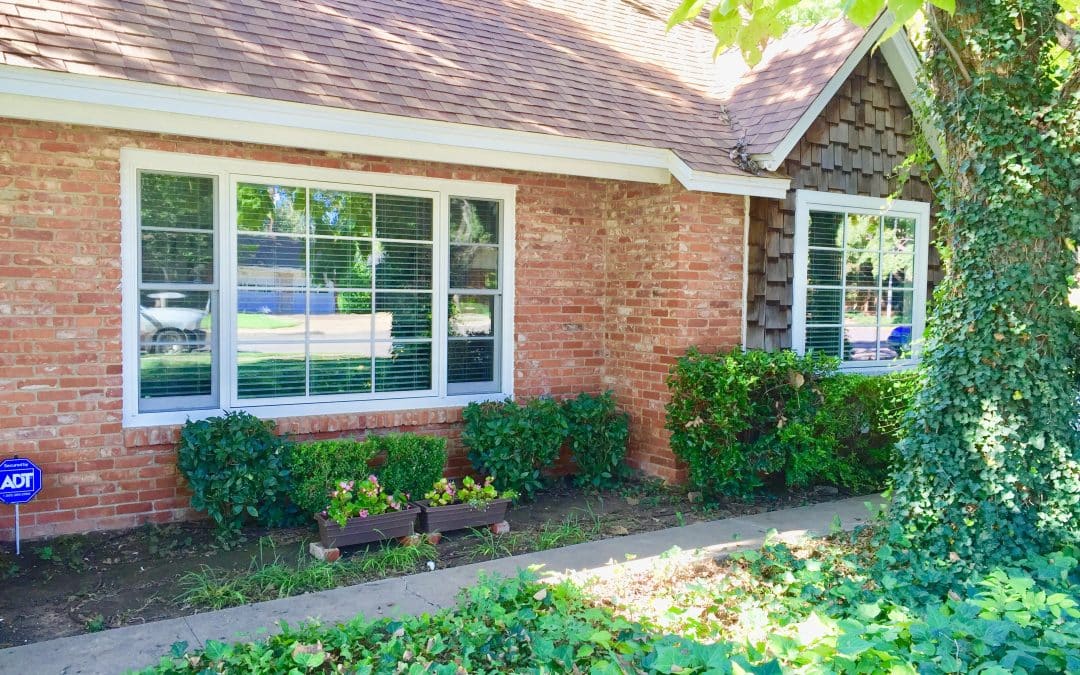
After a long, brutal Lubbock winter, the extreme temperature shifts can take a hidden toll on your home’s exterior envelope. Your windows and doors—which are critical for energy efficiency, security, and aesthetics—are often the first components to show stress from winter moisture and temperature cycles.
At Reid It Right Construction, we specialize in professional installation and maintenance. Spring is the perfect time to inspect your windows and doors, address minor issues, and ensure your home is sealed, secure, and ready to handle the intense heat of a West Texas summer.
1. Inspect and Restore Exterior Caulking and Seals
The biggest cause of energy loss and potential water damage is failed caulking. The constant expansion and contraction of materials during seasonal shifts can cause caulk to crack, peel, or shrink.
Look for Cracks: Inspect the caulk surrounding the exterior frames of all windows and doors. Look for gaps, especially where the trim meets the siding or brick.
The Importance of the Seal: Cracks are pathways for drafts, dust, and, critically, moisture. Water intrusion can cause wood rot, mold growth, and eventually compromise the structural integrity of the frame.
The Fix: If you find gaps, old caulk must be carefully removed and replaced with a fresh, high-quality, flexible exterior sealant. This is a task where precision matters—if you are unsure, professional sealing is recommended.
2. Check for Damage to Weatherstripping
Weatherstripping is the compressible material (often foam, vinyl, or felt) that creates an airtight seal when a window or door is closed.
Test the Seal: Run your hand around the closed frames on a windy day. If you feel a draft, your weatherstripping is likely compressed, cracked, or missing.
Door Sweep Check: For exterior doors, check the sweep (the vinyl or rubber strip at the bottom). If you see light coming in under the door, the sweep needs adjustment or replacement.
The Fix: Replacing worn-out or cracked weatherstripping is an inexpensive way to dramatically improve your home’s energy efficiency.
3. Lubricate and Test Operating Hardware
Smooth operation is essential for the longevity of your windows and doors. Spring cleaning is the perfect time to lubricate moving parts.
Windows: Clean window tracks and hinges, then apply a silicone-based lubricant to hinges, locks, and sliding tracks. This makes operation smoother and reduces strain on the locking mechanisms.
Doors: Lubricate door hinges to stop squeaking and apply lubricant to the deadbolt and locking mechanism to ensure they turn smoothly. Difficult operation often leads to the forceful use of handles, which causes premature wear and tear.
4. Inspect Glass and Window Screens
Look for any signs that your glass units were compromised during the winter.
Check for Condensation: If you see fogging or condensation between the two panes of glass, the seal on your Insulated Glass Unit (IGU) has failed. The window is no longer insulating effectively and needs to be replaced to maintain energy efficiency.
Screen Repair: Inspect your window screens for holes or tears. Repair or replace damaged screens before insect season begins.
5. Clean Thoroughly and Safely
A good spring cleaning enhances curb appeal and functionality.
Cleaning: Use a mild soap and water solution to wash frames and glass. Avoid harsh chemicals, especially on vinyl frames, which can damage the finish.
Drainage Holes: Ensure the small drainage holes (weep holes) in the bottom track of your window frames are clear of debris. These are vital for allowing water that penetrates the exterior seal to drain out, preventing interior damage.
By taking these proactive maintenance steps, you protect your windows and doors—and your entire home—from the elements. If you discover major issues, such as failed seals, structural rot, or broken glass, contact Reid It Right Construction for professional consultation and replacement services.